
Get Basement Water Removal in Louisville, KY
Basement water removal services for Louisville property owners help resolve flooding, leaks, and seepage problems through expert cleanup, drying, and waterproofing projects.
If you’re facing persistent basement water issues in Louisville, KY, you’re in the right place to explore practical solutions. Property owners often consider water removal services to protect their homes from flooding, prevent mold growth, and maintain structural integrity. Whether dealing with recent leaks or ongoing dampness, understanding your options and connecting with experienced service providers can help you plan a project that addresses your specific needs.
This page is designed to help you compare local contractors who specialize in basement water removal and related services. By reviewing your options and gathering information, you can make informed decisions about how to best safeguard your property. Keep reading to learn more about the services available in Louisville and find the right professionals to assist with your water management needs.
- Basement Water Removal - needed when heavy rains cause flooding in neighborhoods like St. Matthews or Highlands.
- Sump Pump Installation - essential for homeowners in areas prone to basement leaks during storms or high groundwater levels.
- Leak Detection - required when signs of water intrusion appear on basement walls or flooring in Louisville neighborhoods.
- Drainage System Repair - necessary after persistent water pooling or foundation issues in areas with poor soil drainage.
- Mold and Mildew Cleanup - important when moisture buildup leads to mold growth in basements affected by previous water damage.
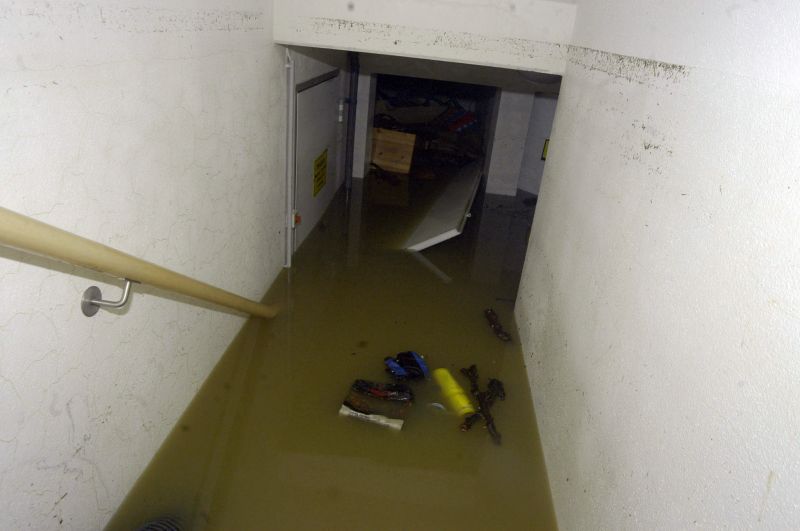
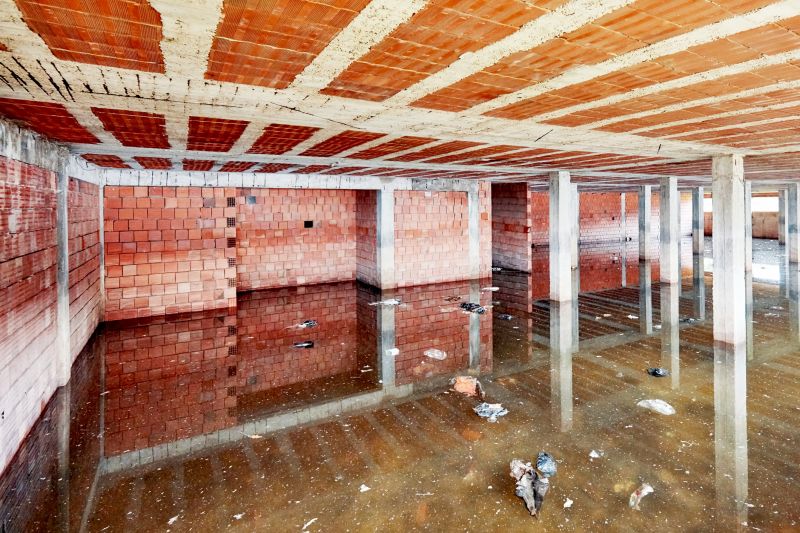
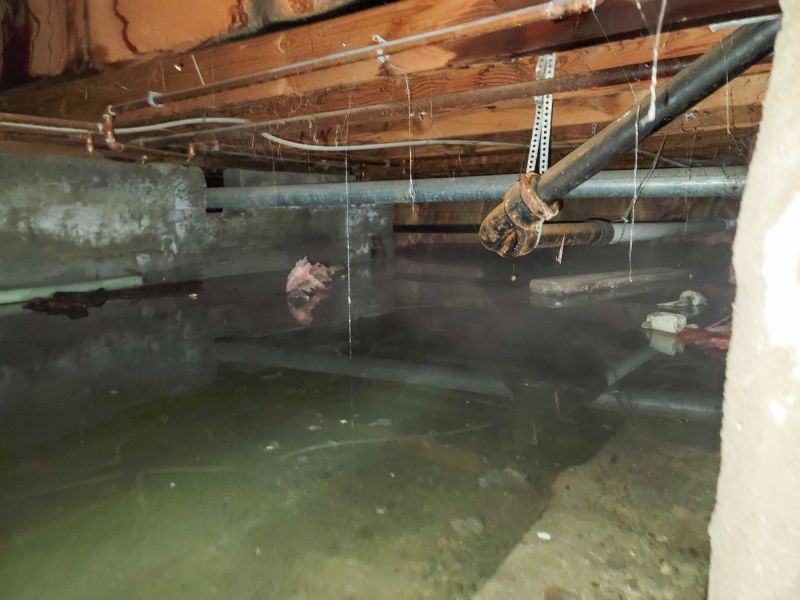
Basement water removal services involve the process of extracting excess water from a basement caused by flooding, leaks, or seepage. This typically includes using specialized equipment such as pumps, wet vacuums, and dehumidifiers to effectively remove standing water and reduce moisture levels. The goal is to dry out the space thoroughly to prevent further damage and to create a safe environment for property owners. Experienced service providers focus on efficient water extraction, ensuring that the affected areas are properly dried to minimize the risk of mold growth and structural deterioration.
These services help solve common problems associated with water intrusion in basements, such as persistent dampness, mold development, and damage to flooring, walls, and belongings. Water in the basement can lead to unpleasant odors, warped materials, and even health concerns if mold begins to grow. Local contractors can assess the extent of water damage and implement the appropriate removal methods. They often also provide moisture mitigation strategies to prevent future issues, such as sealing cracks or improving drainage around the property.
Basement water removal is frequently needed after heavy storms, burst pipes, or plumbing failures that result in flooding or significant moisture buildup. It is also useful in properties that experience ongoing seepage due to poor drainage or foundation cracks. Residential properties, including single-family homes and multi-unit buildings, regularly utilize these services to restore their basements to a dry and safe condition. Commercial properties with basements or underground storage areas may also require water removal to maintain operational safety and prevent structural problems.
Homeowners should consider water removal services when noticing signs of water intrusion, such as damp walls, musty odors, or visible water pooling. Prompt action can help prevent long-term damage and costly repairs. Local service providers are equipped to handle different levels of water intrusion, from minor leaks to major flooding events. Contacting a professional for water removal ensures that the basement is thoroughly dried and protected against future moisture-related issues, helping to preserve the integrity and value of the property.
The overview below groups typical Basement Water Removal projects into broad ranges so you can see how smaller, mid-sized, and larger jobs often compare in Louisville, KY.
In many markets, a large share of routine jobs stays in the lower and middle ranges, while only a smaller percentage of projects moves into the highest bands when the work is more complex or site conditions are harder than average.
Smaller Repairs - Typical costs for minor water removal tasks in Louisville often range from $250 to $600. Many routine jobs fall within this middle range, covering issues like small basement leaks or localized flooding. Fewer projects reach the higher end of this spectrum.
Moderate Projects - Larger, more involved water removal efforts, such as extensive basement flooding or partial waterproofing, usually cost between $1,000 and $3,000. These are common for homes experiencing recurring water issues requiring more comprehensive solutions.
Full Basement Water Removal - Complete water extraction and waterproofing for entire basements can range from $3,500 to $7,000, depending on size and severity. Many local service providers handle projects in this range, with fewer exceeding $7,000.
Full Replacement or Structural Work - In cases of severe damage requiring foundation repairs or full basement reconstruction, costs can exceed $10,000, with larger, complex projects potentially reaching $20,000 or more. These high-end projects are less common but necessary for extensive structural issues.
Actual totals will depend on details like access to the work area, the scope of the project, and the materials selected, so use these as general starting points rather than exact figures.
Foundation Waterproofing - local contractors often use similar sealing techniques and moisture barriers to prevent water intrusion in basements and crawl spaces.
Sump Pump Installation - installing sump pumps involves planning and tools comparable to those used in water removal projects to manage excess groundwater effectively.
Basement Mold Remediation - addressing mold issues requires moisture control and cleaning skills similar to those needed for water damage restoration in basements.
Drainage System Installation - designing and installing drainage solutions involves planning and excavation skills related to water management around foundations.
Flood Damage Cleanup - removing water and restoring affected areas shares techniques and equipment used in basement water removal services.
Crawl Space Encapsulation - sealing and insulating crawl spaces involves moisture control methods closely related to basement water prevention efforts.
When comparing contractors for basement water removal, it’s important to consider their experience with similar projects. Homeowners should look for service providers who have a history of handling water intrusion issues in basements similar to their own, whether it involves minor seepage or major flooding. A contractor’s familiarity with local soil conditions, common causes of water problems in the area, and effective remediation techniques can make a significant difference in the quality and durability of the work. Asking for details about past projects can help gauge whether a contractor has the practical experience needed to address specific water removal challenges.
Clear, written expectations are essential to ensure everyone is on the same page before work begins. Homeowners should seek service providers who can provide detailed descriptions of the scope of work, including the methods they plan to use and the materials involved. Having this information in writing helps prevent misunderstandings and provides a reference point throughout the project. It’s also wise to clarify what is included and what is not, so there are no surprises once the work starts. Well-documented expectations foster transparency and contribute to a smoother process from start to finish.
Reputable references and strong communication are key indicators of a reliable contractor. Homeowners can ask prospective service providers for references from previous clients who had similar basement water removal needs. Contacting these references can offer insights into the contractor’s professionalism, quality of work, and ability to meet deadlines. Additionally, good communication-prompt responses, clear explanations, and a willingness to address questions-helps build trust and ensures that any concerns are addressed promptly. While the site introduces homeowners to local options, it’s important to evaluate each contractor’s experience, clarity of expectations, and communication approach to find the best match for the project.
Property owners in Louisville, KY use Basement Water Removal services for practical projects around their homes and businesses. This guide focuses on everyday jobs and straightforward project options.
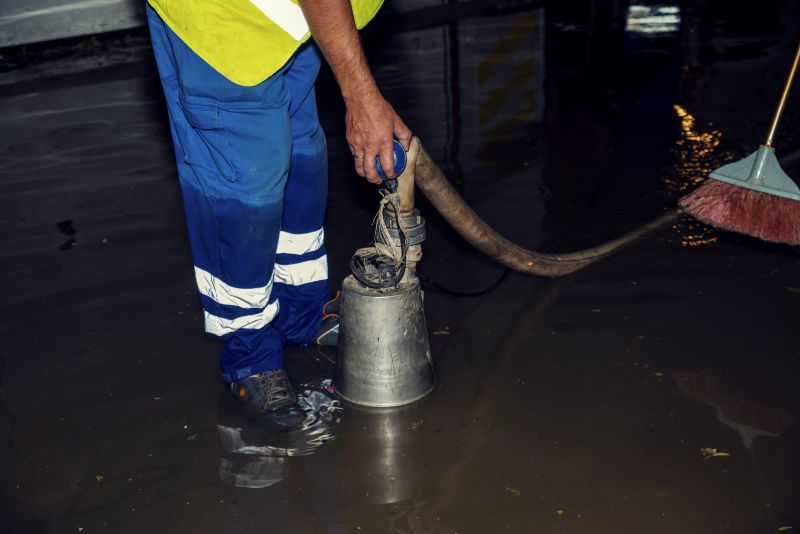
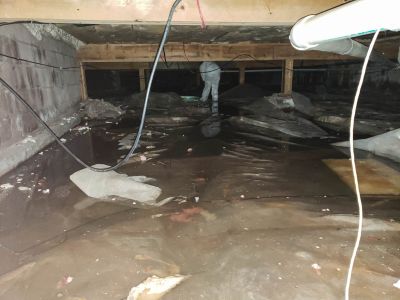
Basement water removal services are commonly sought after by property owners in Louisville, KY, who are dealing with unexpected flooding after heavy rains or burst pipes. When water seeps into basements, it can cause immediate concerns like standing water or dampness that may lead to structural damage if not addressed promptly. Local contractors specializing in water removal can help clear out the excess moisture, dry out affected areas, and prevent further issues such as mold growth or long-term water damage.
Homeowners and business owners in Louisville often turn to local service providers when they notice signs of water intrusion, including musty odors, water stains, or warped flooring. These situations may arise from issues like sump pump failures, foundation cracks, or improper drainage around the property. Professional water removal experts can assess the situation, extract standing water, and implement drying solutions to restore the basement to a safe, dry condition.
What causes basement water problems? Basement water issues can result from heavy rainfall, poor drainage, or plumbing leaks that allow water to seep through foundation cracks or basement walls.
How can I tell if my basement has water damage? Signs include visible water stains, mold growth, musty odors, or dampness on walls and floors, indicating potential water intrusion.
What methods do local contractors use for water removal? Service providers typically use pumps, wet vacuums, and moisture extraction tools to remove standing water and dry out the affected areas.
Are there preventative measures to avoid basement water issues? Proper grading, installing sump pumps, and sealing foundation cracks are common strategies used by local contractors to prevent water intrusion.
How do I choose the right water removal service for my basement? Consider local service providers with experience in water removal, positive reviews, and a clear approach to addressing basement water problems.
Preventing Water Damage - Property owners can utilize basement water removal services to protect their homes from leaks and flooding during heavy rainstorms or plumbing failures.
Mold Prevention - Removing excess moisture from basements helps reduce the risk of mold growth that can impact indoor air quality and health.
Home Improvement Projects - Clear, dry basements are essential for finishing or remodeling projects, making water removal services useful before renovation work begins.
Property Value Maintenance - Ensuring a dry basement contributes to maintaining the overall value and condition of a property in Louisville, KY, and nearby areas.
If you are thinking about Basement Water Removal for a property in Louisville, KY, this guide is meant to help you understand the work, the typical project types, and how different options might fit your plans.
When you are ready, you can use the quote form on this page to share a few details about your project. From there, local pros can review the basics and respond with options that match what you have in mind.